



Hot Products


0102030405
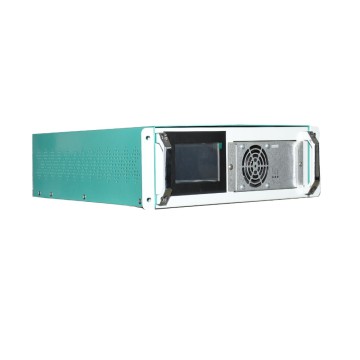
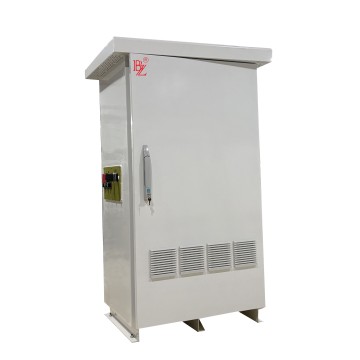
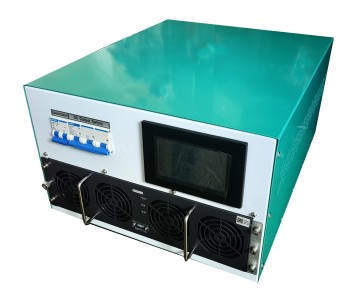
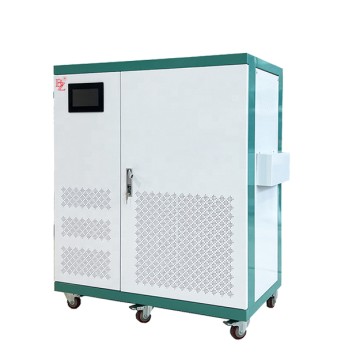
China Wind-Solar Hybrid Energy Storage System Suppliers - Reliable Factory Solutions for 24/7 Renewable Power
Product Advantages
- 1 All-in-one design, high integration and space saving installation.
- 2 High-performance lithium iron phosphate cells, laser welding, good cell consistency, designed service life of more than 10 years.
- 3 Charging and discharging are controlled separately — discharge port stays connected during over-charging; charging port stays connected during over-discharging. Excellent system stability.
- 4 Master-slave mode with passive equalization — manages equalization resistance, sets equalization start voltage, monitors resistance temperature. Reduces barrel effect impact.
- 5 BMS adopts NXP (USA) automotive-grade high-performance chips with strong anti-interference, high reliability, and wide temperature range.
- 6 Communication interface with strong real-time performance, long transmission distance, and superior anti-electromagnetic interference ability.
- 7 System parameters configurable via host computer: fan temperature, charger max current, SOC correction, and insulation leakage detection to prevent short circuits.
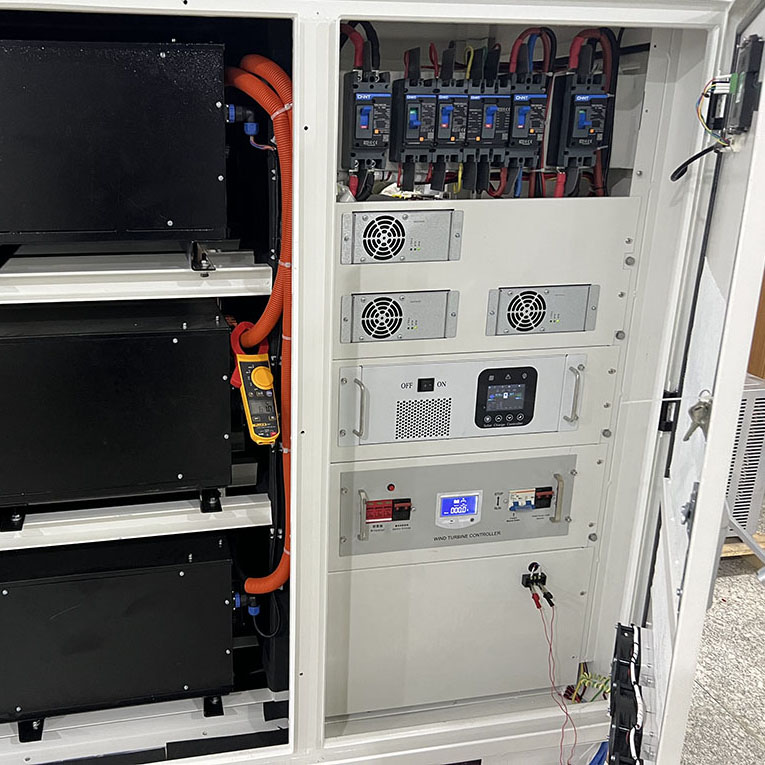
- 8 Integrates solar controller, AC charger, and BMS communication control — safe and reliable in one unified system.
- 9 Cell temperature management with automatic air conditioner/heater control, keeping cells at optimal temperature. Supports fire protection system linkage.
Product Overview
>25%
Mass production efficiency for PV modules
180m
Wind turbine tower heights achieved
>65%
Overall system efficiency
8,000+
Lithium-ion battery cycle lifespan
95%
AI wind & solar output prediction accuracy
System efficiency and cost advantages continue to expand. Mass production efficiency for photovoltaic modules has surpassed 25%, while wind turbine tower heights have increased to 180 metres, achieving overall system efficiency exceeding 65%. Perovskite photovoltaic modules are projected to reach 28% mass production efficiency by 2027. Carbon fibre wind turbine blades enable single-unit capacities exceeding 15MW, lithium-ion batteries achieve cycle lifespans surpassing 8,000 cycles, and flow battery costs have been reduced to 0.3 yuan/Wh. Intelligent upgrades prove even more pronounced: digital twin technology reduces O&M costs by 30%, AI forecasting algorithms elevate wind and solar output prediction accuracy to 95%, while native industrial large models enable millisecond-level dispatch, supporting large-scale virtual power plant integration.
Frequently Asked Questions
Q
What is the designed service life of the lithium iron phosphate battery system?
The system uses high-performance lithium iron phosphate cells with laser welding and good cell consistency. The designed service life is more than 10 years, making it a reliable long-term energy storage solution.
Q
How does the BMS ensure safe and stable operation?
The BMS uses NXP (USA) automotive-grade high-performance chips with strong anti-interference capabilities and wide temperature range tolerance. It features separate charge/discharge control, insulation leakage detection, master-slave passive equalization, and can be linked with fire protection systems for comprehensive safety management.
Q
Can system parameters be customized or adjusted remotely?
Yes. System parameters can be configured via the host computer, including fan start/stop temperature, charger maximum current, charge and discharge current correction, and SOC correction. This allows flexible adaptation to different operating environments and requirements.
Q
What efficiency levels can modern photovoltaic and wind energy systems achieve?
Current mass production efficiency for photovoltaic modules has surpassed 25%, with perovskite modules projected to reach 28% by 2027. Wind turbine tower heights up to 180 metres and carbon fibre blades enable single-unit capacities exceeding 15MW, with overall system efficiency exceeding 65%.
Q
How does AI technology improve energy storage and dispatch performance?
AI forecasting algorithms elevate wind and solar output prediction accuracy to 95%. Native industrial large models enable millisecond-level dispatch, while digital twin technology reduces O&M costs by 30%, supporting seamless large-scale virtual power plant integration.
Q
What are the cost advantages of flow batteries in energy storage?
Flow battery costs have been significantly reduced to 0.3 yuan/Wh, making them increasingly competitive for large-scale energy storage applications. Combined with lithium-ion batteries achieving cycle lifespans surpassing 8,000 cycles, the overall cost-per-cycle economics continue to improve substantially.